

This post was originally published on YVSC’s Substack newsletter, Climate Corner. Subscribe here to get future stories like this one sent right to your email inbox.
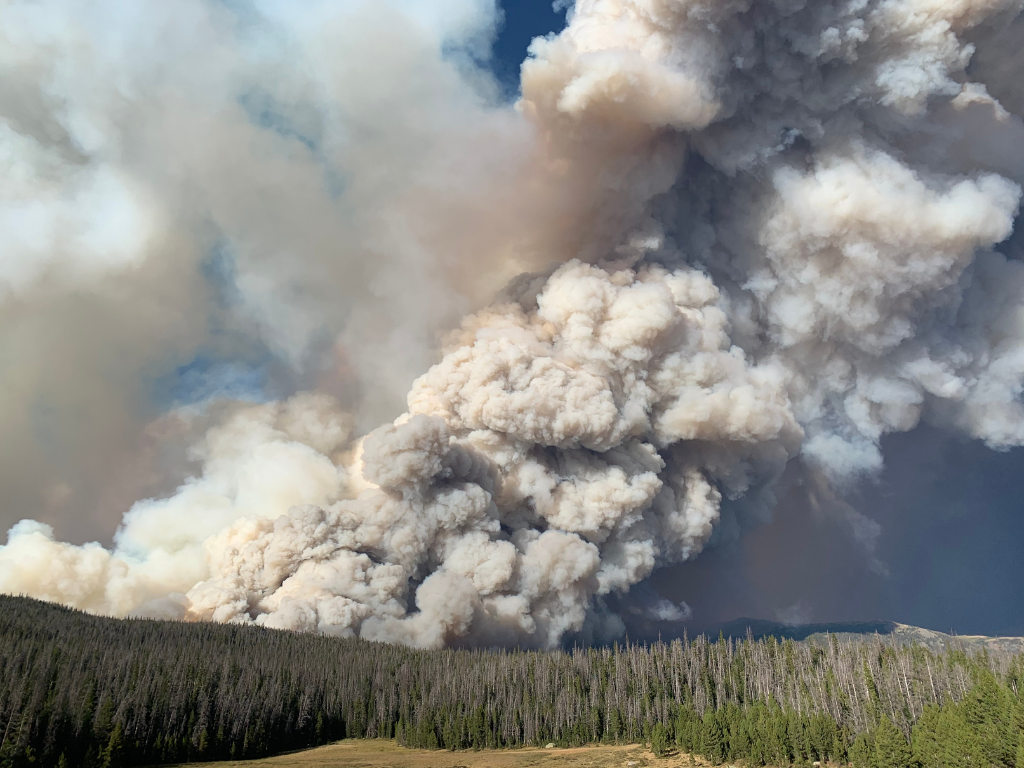
The Yampa Valley and surrounding mountains are home to many types of forest ecosystems at different locations and elevations. In our national forests, fire suppression since the early 1900s, climate change, beetle outbreaks, and disease have resulted in many areas having a dense build-up of fuel that contributes to the current fire severity. Wildfire is a natural part of the forest cycle, but with so much fuel to burn and a warmer and drier climate, forest fires have become much larger and hotter.
Historically, mountain forests had frequent, mild fires. These originated from lightning strikes and from Native Americans setting fires as a land management practice to improve wildlife habitats, agriculture, and clear travel routes. As a result of common fires, many forests had a thinner understory. Dead trees burned instead of remaining standing, and the forest was less densely packed. Fires often hopped from place to place, leaving areas of healthy trees standing.
Now, when fire travels through a dense forest, it burns extremely hot. These hot fires may scorch or sterilize the soil, or burn the area entirely, including the seeds. When this happens, there aren’t any healthy tree patches left standing to start new growth. Trees on the perimeter of the fire are too far away to reseed the interior of the burned region. This is where we humans can help.
Yampa Valley Sustainability Council (YVSC) Forest Resilience Projects Manager Dakota Dolan coordinates with the U.S. Forest Service (USFS), other organizations, and volunteers to help get trees growing on the landscape after a forest fire.
“There is a chance that some of these areas wouldn’t come back naturally because of issues with severe fires,” Dolan said.“When too much time goes by without tree seeds germinating, the thick understory makes it hard for trees to establish. It transitions completely out of being a forested area and can become grassland.”
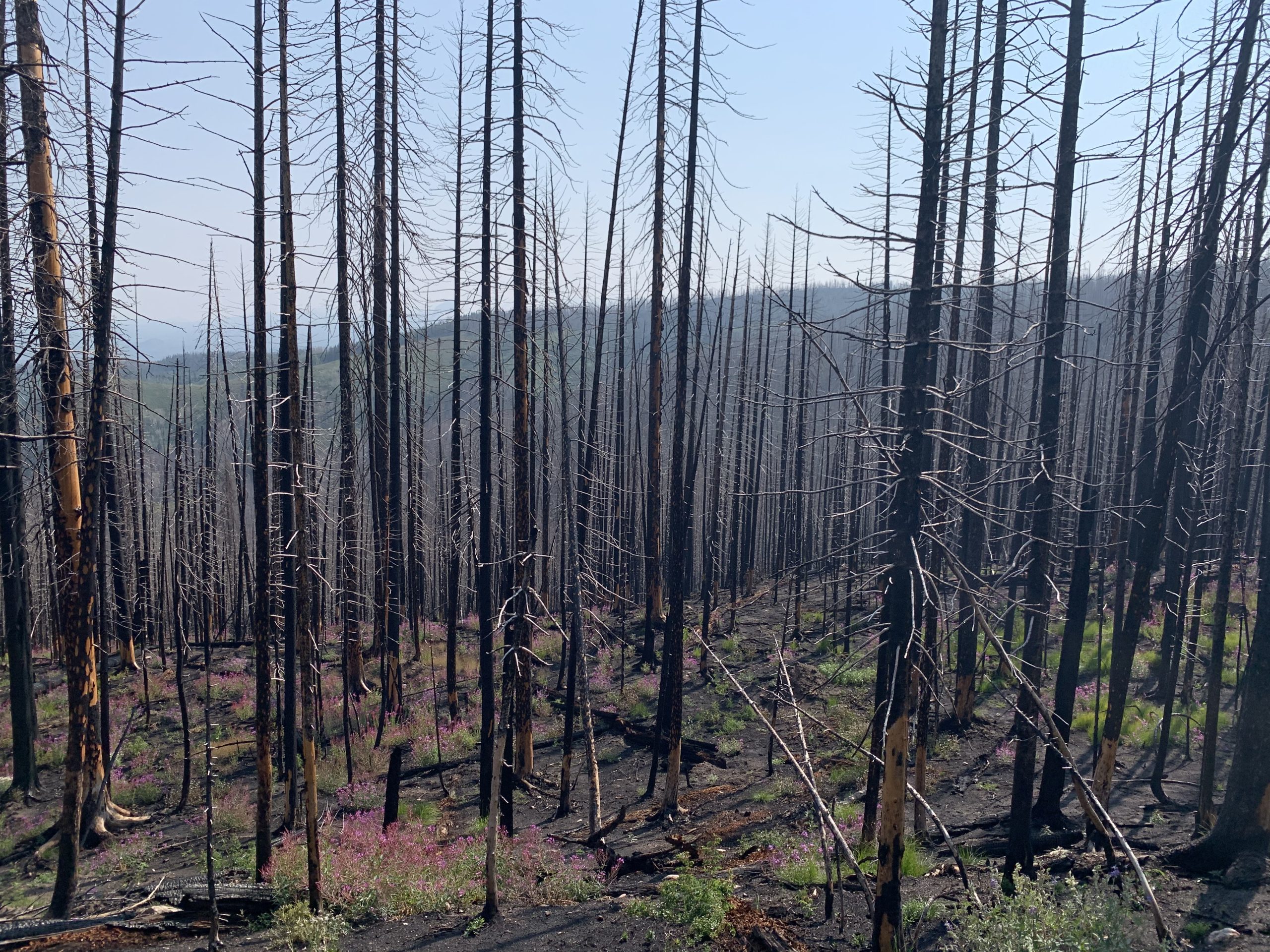
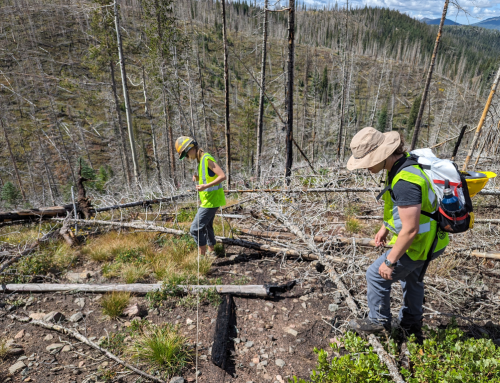
Burned trees stand at a 2021 regeneration survey site.
Native grasslands are also important ecosystems, but burned forests that aren’t able to regrow trees are often taken over by invasive species providing fewer benefits. We rely on our forested areas to help fight climate change by storing carbon, filtering water, and also providing habitats for wildlife and native plants adapted to the forest ecosystems. Encouraging forest regrowth after a fire benefits those of us living in the region as well as natural systems.
There are three main types of projects Dolan and YVSC focus on to help forest regrowth after fire. First, regeneration surveys determine where tree seedlings have already established or where help is needed. Next is planting in former burn areas where trees haven’t started growing on their own. The third focus for Dolan is assisting the USFS in collecting cones from local, healthy trees to be grown in a nursery for the next round of tree planting.
Regeneration surveys
The regeneration surveys inform where tree planting is needed.
“This summer, YVSC will be the only ones working on surveying burned areas,” Dolan said. “The Forest Service has lost all of their crews.”
The two priority areas will be the 2021 Morgan Creek fire north of Steamboat Springs, which burned 7,500 acres, and the Muddy Slide fire from 2021 near Yampa, which burned 4,000 acres.

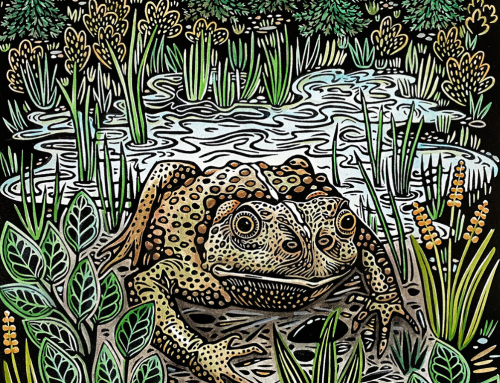
Illustrations by Jill Bergman.
The YVSC volunteers go out with training and a tablet in teams of two to record their observations in predetermined areas.
“These volunteers need to be OK with a long day, tough conditions at times, and need to be sure the data is accurate,” Dolan said. “You just have to take the time to really look closely and catch those tiny baby trees.”
Tree planting
The Forest Service analyzes the data collected by regeneration surveys, then begins a permitting process for tree planting.
“This year we are going to be planting in Big Red Park in North Routt County,” Dolan said. “A couple of years ago we finished the surveys there. It’s fun to see things stepping forward.”
Tree planting normally happens in May after the snow has melted and the soil is at the right temperature and moisture. The new trees have all summer to establish and start growing roots. Unfortunately, this year, every permit and request had to be re-reviewed. This slowed the process, so YVSC volunteers will be planting in Big Red Park in the fall.
The goal is to plant right after the first dusting of snow that will moisten the soil. Dolan’s concern is that, “we plant trees, and then winter hits immediately and maybe nothing establishes. It’s not an ideal situation, but we just have to do what we can.”
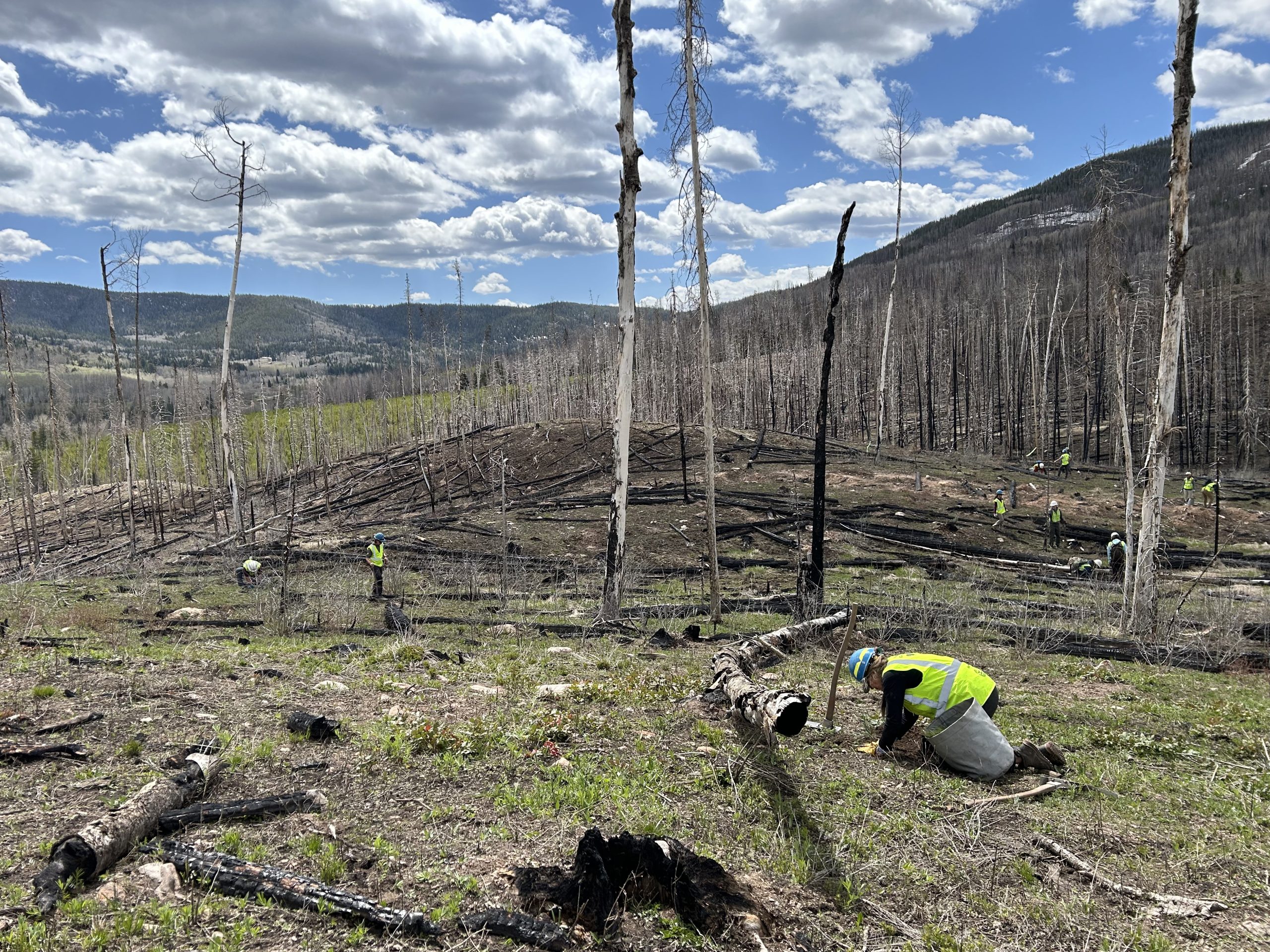
Volunteers plant trees in the Muddy Slide burn area in 2024.
Even if a fall planting doesn’t have as great a success rate as planting in May, it’s important to get trees growing near critical watersheds. The Morgan Creek fire is around the Elk River, a major tributary of the Yampa River. A burned landscape surrounding a river may erode and contribute ash and sediment into the river, lowering the water quality. Without trees and other plants to absorb water from snowmelt or rainfall, flooding and debris flows are also an increased risk.
Fall planting after the first dusting of snow is hard to schedule in advance, so if you’d like to help plant trees in Big Red Park this year, be sure to sign up for YVSC’s newsletter now to be notified of upcoming volunteer opportunities.
Cone collection
The third type of forest resilience project Dolan assists with is cone collection. To grow seedlings to plant, cones need to be collected from local trees and grown at a nursery.
“Fire-adapted species like Lodgepole Pine have cones that release with the heat,” Dolan said. “When there haven’t been fires for a long time, the seeds and cones that are on trees aren’t viable anymore. When the trees lose the stimulus of fire that keeps the cycle going, they go into a more dormant pattern.”
Currently the USFS is only planting Lodgepole Pine because that is the species they harvest for timber.
“One of my goals is to figure out how we can keep seed collection going if the Forest Service can’t continue that at all. It’s really important. It’s the foundation of getting trees into the ground.” — Dakota Dolan, YVSC Forest Resilience Projects Manager
“Lodgepole does often grow in somewhat of a monoculture,” said Dolan. “But with climate-related issues we are going to be facing, we really want to start incorporating other species. The Forest Service was on board with that in the past, but cones and seeds are always the limiting factor.”
Two summers ago, they started looking for cones of species expected to adapt well to warmer climates. Former USFS Silviculturist, Aaron Lutz had been identifying pockets of Douglas fir and Ponderosa pine around the Steamboat area. These are usually lower elevation trees than lodgepole pine.
“We want to harvest cones from those trees and start trying to cultivate and implement them in our plantings so that we’re putting that assisted migration into play,” said Dolan. “The goal is to start diversifying the trees that we are planting. We want to incorporate some of these warmer climate trees that are still native to the area so that they have a better likelihood of survivability in the future climate.”
There are different ways to collect cones. Because the most viable ones are usually at the top of the tree, climbing to get them turns out to be the most efficient.

YVSC Forest Resilience Projects Manager Dakota Dolan collects Ponderosa pine cones with a pole off Lynx Pass.
“The Forest Service has a team of people that are certified to climb,” Dolan said. “Right now the USFS is only operating under timber management. So we were worried that cone collection would not fall under that, and it doesn’t.”
The USFS would like to have the climbers maintain their certifications even though they are no longer allowed to collect cones for future plantings. During their 10 climbs per year to maintain certification, Dolan has offered to come, with volunteers if possible, to collect any cones that may shake loose and fall to the ground.
Picking up cones from the ground is one way to collect for a nursery. However, you can’t always be certain which tree the cone came from, the health of the tree, or the age or viability of the cone. So picking up cones shaken loose during a climb would increase the chances of collecting viable cones.
“We also have these really long poles where we can pluck cones from trees while standing on the ground,” Dolan said. “It’s hard, but it is possible. It’s just not as efficient. You do it for an hour and your arms are dying, and you only have about 20 cones.”
If Dolan and YVSC volunteers do collect cones this year, there has to be a nursery prepared to take them. There is only one specific nursery for USFS use, but this evolving situation may require using a different organization.
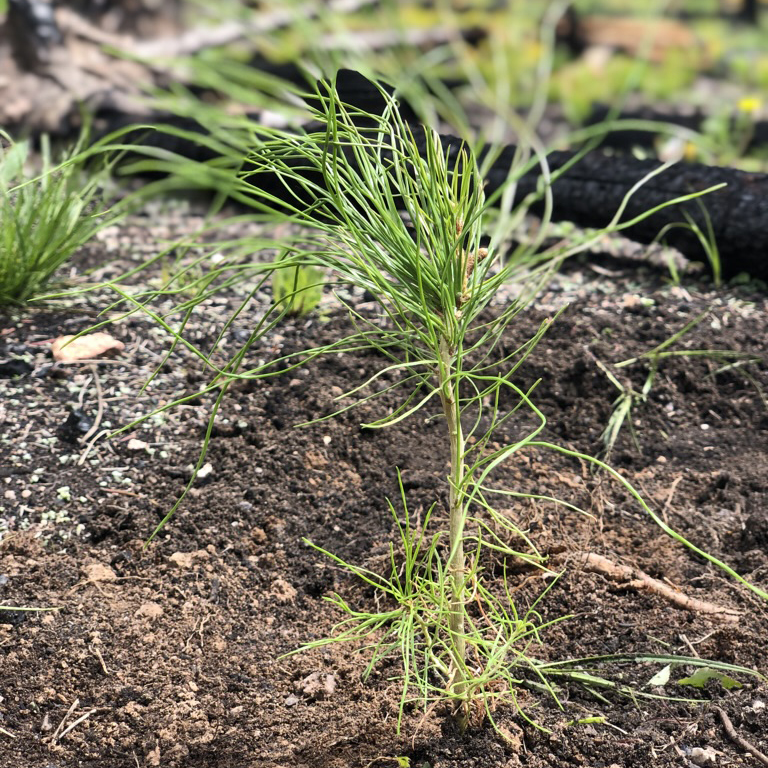
Lodgepole seedling at the Muddy Slide Fire burn scar.
“One of my goals is to figure out how we can keep seed collection going if the Forest Service can’t continue that at all,” said Dolan. “It’s really important. It’s the foundation of getting trees into the ground.”
YVSC has limits to its capability to reforest areas in need: limited funding, personnel, tools, and technology. However, there are also benefits to being a non-profit. YVSC is able to leverage the desire of our community to improve and protect forested areas with volunteers and a variety of funding sources. There are many opportunities this summer to get involved with regeneration surveys in the Morgan Creek and Muddy Slide burn areas, tree planting in Big Red Park, and hopefully cone collection as well.
14 July 2025 | Jill Bergman, YVSC Creative Climate Communications Associate
Thank you to our sponsor